Sparkling Ears: A Safe, Stress-Free Dog Ear Cleaning Checklist
Healthy ears help prevent discomfort, odor, and recurring infections—especially for dogs with floppy ears, allergies, or frequent swimming. A calm, consistent routine makes ear care easier for you and less stressful for your dog. Below is a practical checklist: what to watch for, what to use, how to clean safely, and when to stop and call a vet.
When Ear Cleaning Helps (and When It Doesn’t)
- Ear cleaning supports normal hygiene and can reduce wax buildup and debris after baths, grooming, or swimming.
- Cleaning is most useful for dogs prone to waxy ears, mild debris, or moisture trapped under the ear flap.
- Cleaning is not a cure for infection; persistent odor, discharge, or pain needs veterinary evaluation.
- Over-cleaning can irritate the ear canal and worsen inflammation—use a schedule based on your dog’s needs, not a daily habit.
For general pet-care guidance and safety basics, the American Veterinary Medical Association (AVMA) is a helpful starting point.
Signs to Check Before Touching the Ears
- Normal: mild wax, no strong odor, no redness, dog tolerates gentle handling.
- Pause and reassess: mild head shaking after swimming, slightly increased wax, light debris at the ear opening.
- Stop and contact a vet: strong odor, yellow/green discharge, bleeding, swelling, heat, intense itchiness, head tilt, loss of balance, crying when touched.
- If a dog has a history of ear infections, confirm with a veterinarian which cleaner to use and how often.
If you’re unsure whether a smell or discharge is “normal,” it’s safer to pause and get clinical advice. Resources like VCA Animal Hospitals explain common ear issues and why some symptoms need prompt treatment.
Supplies That Keep Cleaning Safe
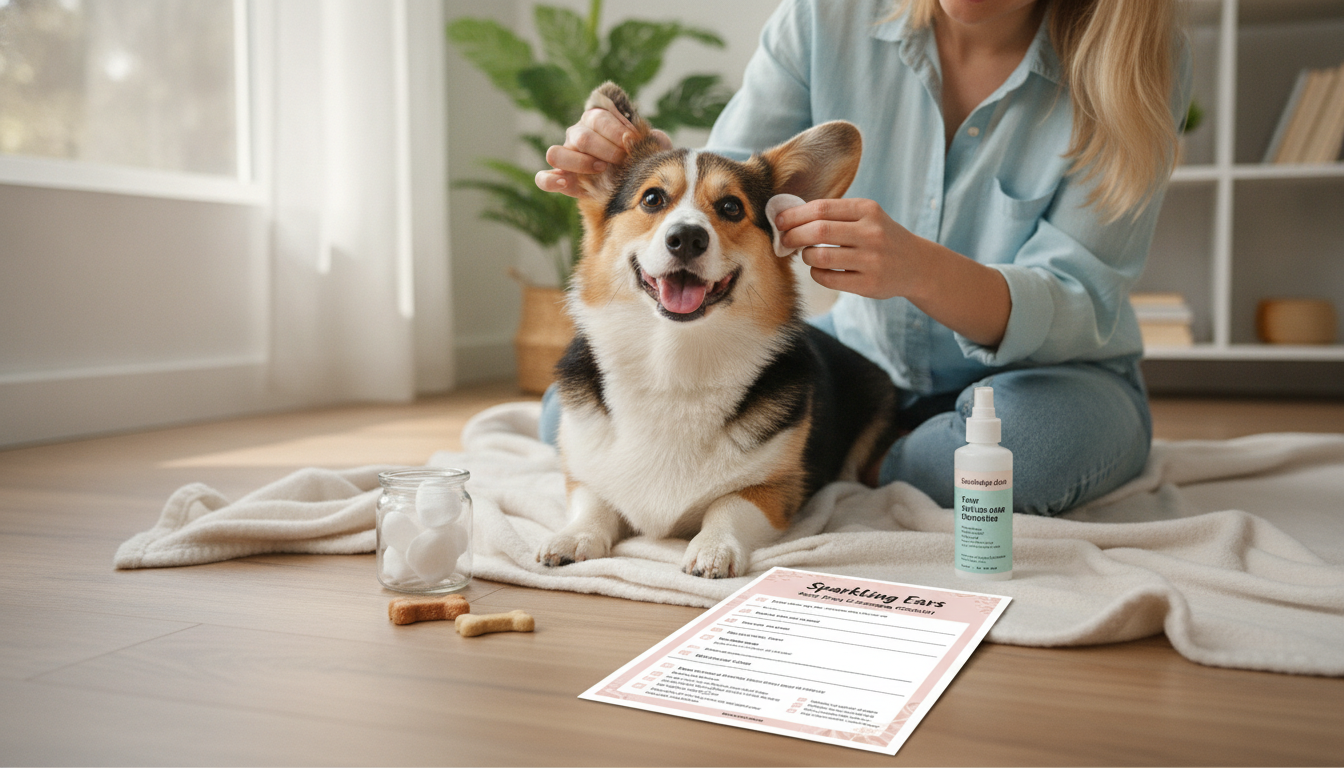
- Vet-approved ear cleaning solution designed for dogs (avoid alcohol, peroxide, vinegar mixes unless specifically directed by a veterinarian).
- Cotton balls or soft gauze squares for wiping the visible ear flap and outer opening.
- Treats for positive reinforcement and a towel for drips and shaking.
- Optional: a non-slip mat, a second person for gentle support, and a headlamp for better visibility.
- Avoid cotton swabs inside the ear canal; they can push debris deeper or injure delicate tissue.
Step-by-Step: How to Clean Dog Ears Safely
- Set up: choose a calm space, place a towel under your dog, and keep supplies within reach.
- Look first: lift the ear flap and check for redness, swelling, discharge, or wounds; stop if anything looks concerning.
- Apply cleaner: hold the ear flap up and add the recommended amount of ear solution (follow label or vet instructions).
- Massage the base: gently massage the base of the ear for 20–30 seconds; a squishing sound is normal as solution loosens debris.
- Let your dog shake: step back and allow a natural shake to bring debris outward.
- Wipe only what’s visible: use cotton or gauze to wipe the ear flap and the outer opening; never insert anything deep into the canal.
- Repeat on the other ear: use fresh cotton/gauze to reduce cross-contamination.
- Reward and observe: offer a treat and note any discomfort, unusual smell, or residue to track patterns.
If your dog is anxious about handling, keep the first few sessions ultra-short: a quick look, a gentle wipe of the outer flap, and a reward. Over time, most dogs relax when they learn what to expect.
A Simple Schedule Based on Lifestyle and Ear Type
- Clean after water exposure: many dogs benefit from a gentle ear check and dry wipe after swimming or baths.
- Floppy ears may trap moisture and need more frequent checks than upright ears.
- Dogs with allergies often have recurring ear inflammation; routine should be guided by a veterinarian to avoid irritation.
- If ears look and smell normal, less is often more—focus on inspection and drying rather than frequent deep cleaning.
Ear Care Frequency Guide (General Starting Point)
| Dog profile |
How often to inspect |
How often to clean |
Extra tips |
| Upright ears, low wax, no swimming |
Weekly |
As needed (often monthly or less) |
Wipe only visible debris; keep sessions brief |
| Floppy ears or wax-prone |
2–3x/week |
Every 1–2 weeks (if normal) |
Prioritize drying after baths; monitor odor changes |
| Frequent swimmers |
After each swim |
As needed (often weekly) |
Dry outer ear; ask vet about swimmer-safe routines |
| Allergies or past infections |
2–3x/week |
Vet-directed |
Track flare-ups; avoid over-cleaning during redness |
Common Mistakes That Cause Irritation
Make It Easy: A Printable Checklist for Consistent Ear Care
Recommended tools
If you want a simple routine you can keep on the fridge or in your grooming kit, Sparkling Ears: The Ultimate Dog Ear Cleaning Checklist (Printable) is an easy way to stay consistent and reduce missed steps.
For all-around grooming support (so ear care doesn’t feel like the only “maintenance task” you tackle), the Banana Design Pet Nail Clipper pairs well with a regular at-home care routine.
When to Call the Vet
FAQ
How often should dog ears be cleaned?
Inspect ears about once a week for most dogs, then clean only when there’s mild, normal-looking wax or debris. Dogs with floppy ears, frequent swimming, allergies, or repeat infections may need a different schedule based on veterinary guidance.
Is it safe to use cotton swabs to clean a dog’s ears?
No—cotton swabs can push debris deeper into the ear canal or damage sensitive tissue. Use cotton balls or gauze to wipe only what you can see, and rely on the cleaner-plus-massage method to loosen debris safely.
What should be done if a dog’s ears smell bad after cleaning?
Stop further cleaning and contact a veterinarian, because persistent odor can signal infection or inflammation—especially if there’s redness, pain, or discharge. Continuing to clean an irritated ear may worsen discomfort and delay treatment.
Recommended for you









Leave a comment